

Gamified Orientation Course
How does a new hire truly get to know your organization on day one?
By memorizing department names? Or by discovering how the organization works, how it creates value and how their own role fits into it?
See How It Works I’d like to see a sample program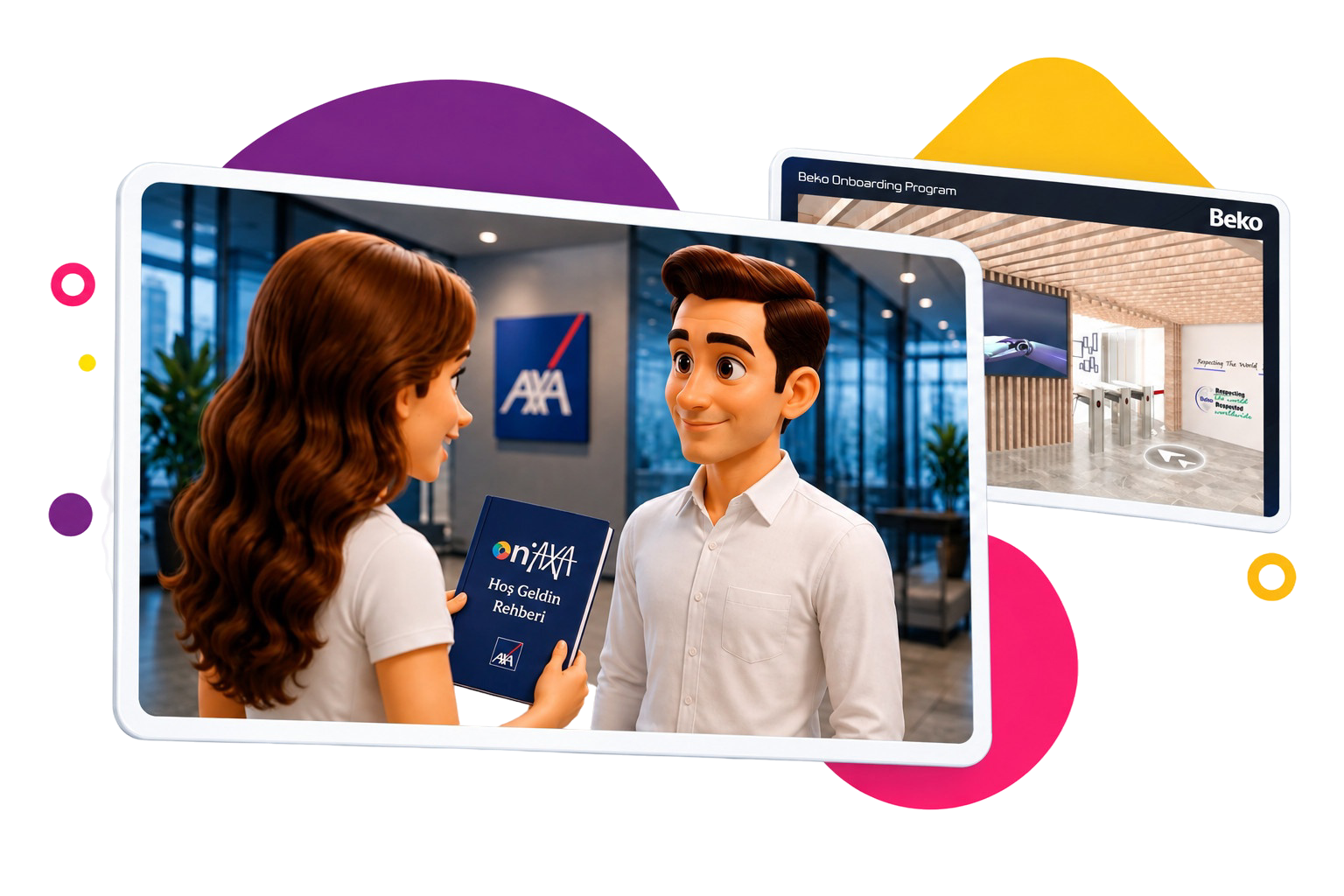
Let’s look at a sample program
Give us 20 minutes to hear your needs, and we’ll show you orientation programs we built for similar organizations. Leave the form and we’ll get back to you the same day.
- Multilingual
- In the format you need
- Gamified / Story-based
We’ve received your request
We’ll get back to you the same day. If it’s urgent, email us at info@digitallica.com.tr.
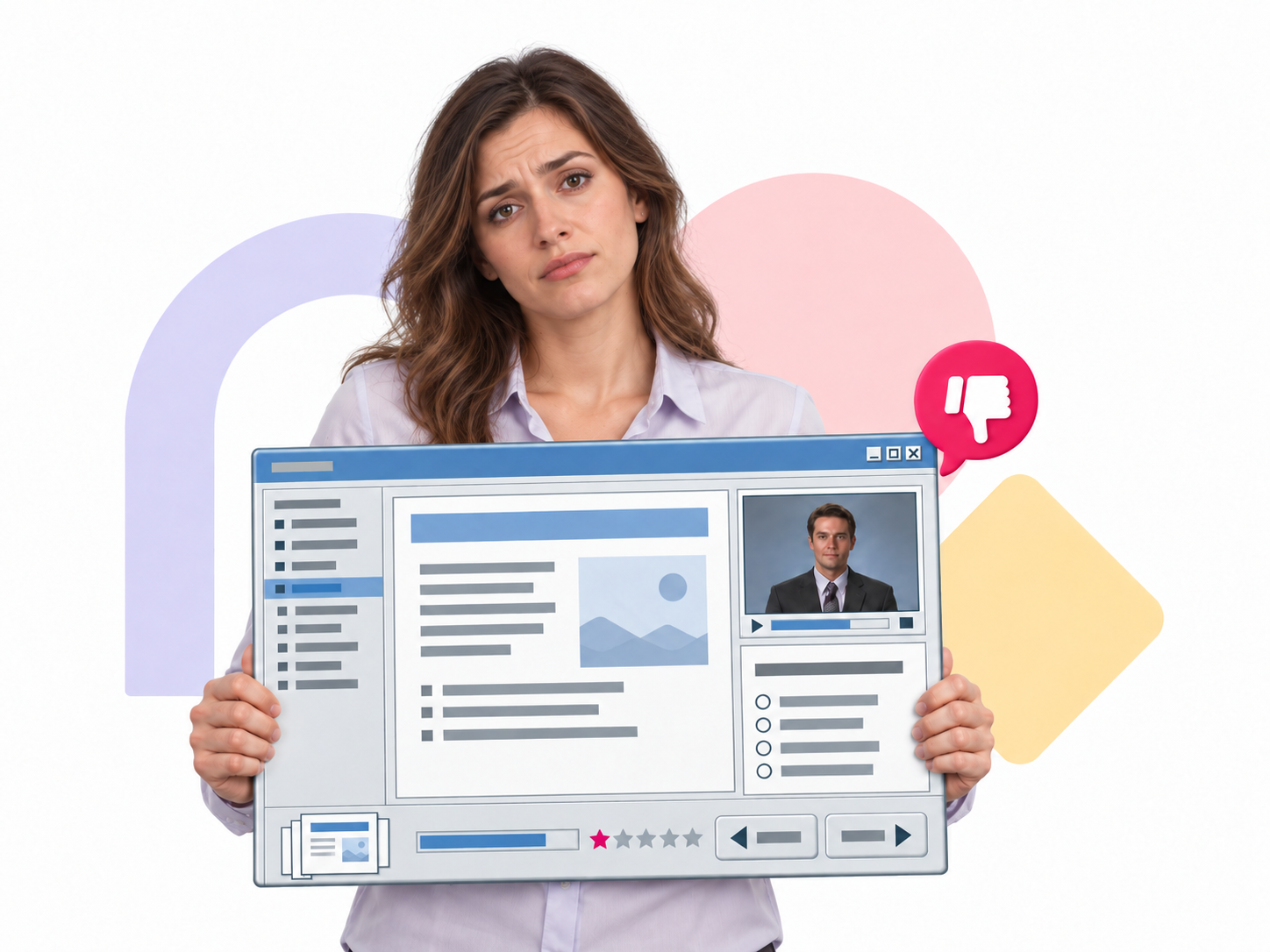
When presentations go digital, does the experience change too?
Long texts, back-to-back department introductions and talking-head videos on a screen make the content digital. But the learning experience often stays the same.
New hires watch the information handed to them, yet struggle to grasp the organization as a whole, its business model and their place in it. The program is left half-done, and the rest is forgotten within days.
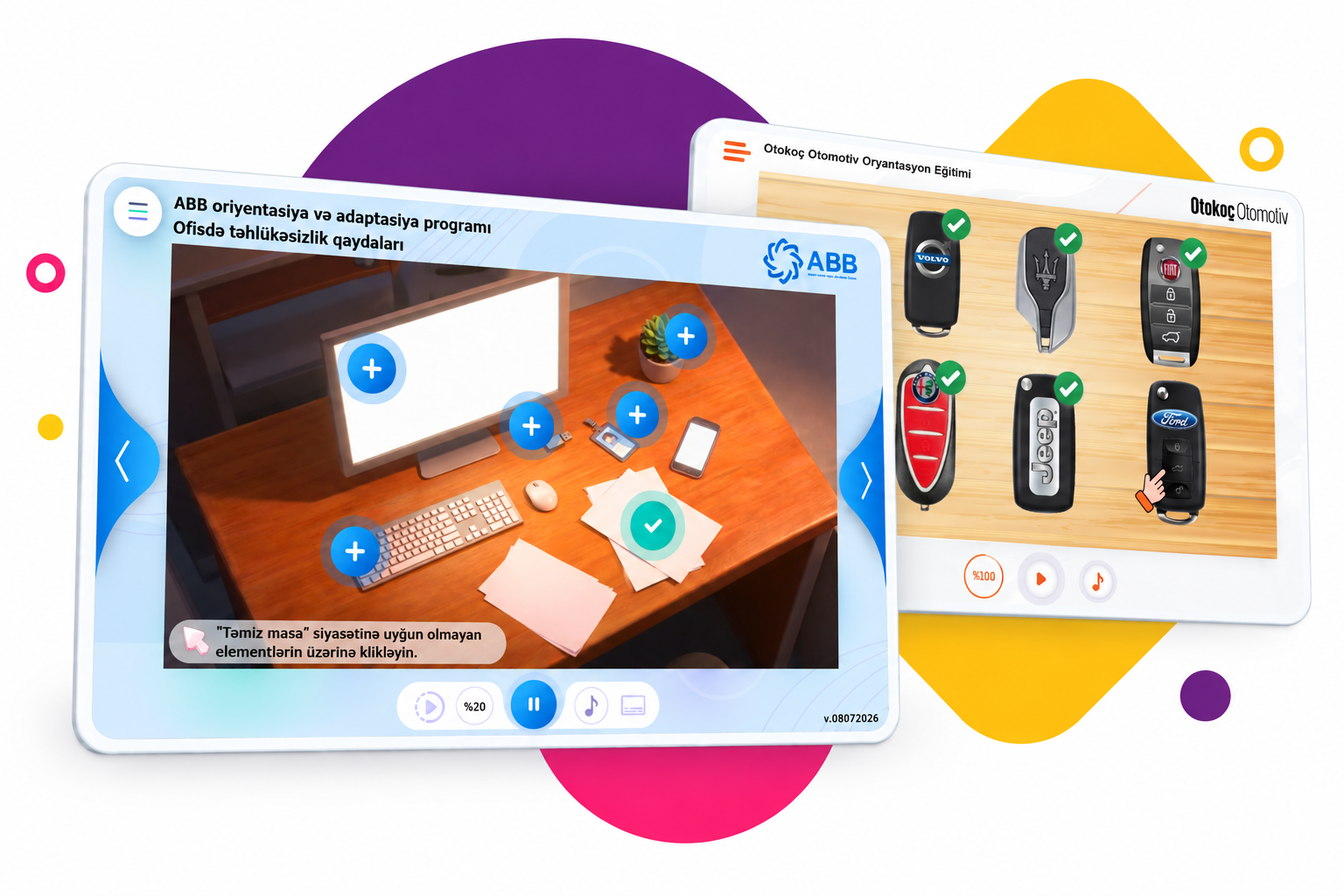
We turn information into an experience to explore
We turn your culture, business model and key processes into a cohesive experience supported by story, interaction and game elements.
New hires don’t just read information. They make decisions, complete tasks, see the results and discover your organization step by step.
So what makes this experience different?
We never put technology ahead of the idea; we bring story, content and gamification together around one learning goal.
A story unique to your organization
Instead of adapting a ready-made structure, we create an original storyline rooted in your culture and business model.
New-hire focus
We streamline content around what new hires really need to know, not what departments want to tell.
Purpose-driven gamification
We tie every task and interaction to a specific learning goal. We never add mechanics just to grab attention.
Measurable experience
We make the impact visible through completion, knowledge checks and user behavior.
How we work
Orientation projects have many stakeholders. HR, corporate communications, IT and senior management all give feedback at once. That’s why we run the process in six steps defined from the outset.
- STEP 01
Scope and decision-making
Who contributes at which stage, who comments on what and who gives final approval is settled up front. Language versions are decided at this stage too.
- STEP 02
Tying the story to the business model
What does the organization do, what value does it offer customers, how does it earn revenue? The story is built on the answers to these three questions.
- STEP 03
Selecting content through a new hire’s eyes
We select information based on what new hires need, not what departments want to tell. We collect it with a standard question form and answer limits.
- STEP 04
Choosing game elements by purpose
A user who makes a wrong choice never hits a dead end; explanatory feedback steers them to the right scenario. The goal is not winning but getting to know the organization.
- STEP 05
Storyboard
Each screen’s topic, sequence, interaction type, voice-over script and visuals are shown close to final. Gaps are spotted before any code is written.
- STEP 06
Measurement
Completion rate, completion time, knowledge check results, support requests and recall after 30–60 days are reported together.
Technical delivery
Delivered in SCORM 1.2 and SCORM 2004 formats; uploads to any learning management system that supports SCORM
AICC packages also available for systems that require it
Responsive design — works on desktop, tablet and mobile
Resume where you left off is supported
Multilingual versions available
Accessibility — captions, keyboard navigation and text summaries of interactive blocks are part of our design criteria
If your organization doesn’t have its own LMS, we can set up the delivery infrastructure too
Our suggested content flow
The structure below is a starting point; it is adapted to each organization’s needs.
Welcome and guidance
GoalThe program’s purpose, duration, progression and support channels
Company identity
GoalBrief history, purpose, culture, values and expected behaviors
Business model and value chain
GoalCustomer value, revenue model and each department’s role in the whole
Employee experience
GoalBenefits, performance process, learning opportunities, common HR questions
Daily work routine
GoalCore systems, working principles, communication channels, policy links
Scenarios and practice
GoalShort decisions modeled on real work situations, with explanatory feedback
Knowledge check
GoalShort assessment, guidance on wrong answers, recap of key points
Next steps
GoalFirst-week tasks, reference resources, support roles, ongoing learning plan
Some of the organizations we work with















Frequently asked questions
How long does an orientation project take?
It depends on the scope, but a typical project takes two to three months. Storyboard approval is the most critical milestone; the faster the approval, the faster production moves.
Can we publish it on our own learning management system?
Yes. The program is delivered in SCORM 1.2 and SCORM 2004 formats and uploads to any system that supports SCORM. If you don’t have an LMS, we can set up the delivery infrastructure too.
Can we update the content ourselves later?
We leave editable fields for information expected to change often. Structural changes require working with us, but we design the content to stay current for at least a year.
Do you use virtual reality?
We choose technology based on each organization’s conditions. The newest solution is not always the best fit. For a company with high-volume hiring and operations spread nationwide, a VR-based experience falls short because of device access. Technology should never overshadow the idea; it should give users seamless access to the program.
Can you produce in multiple languages?
Yes. But the language decision must be made at the start of the project; adding a language later means redoing a large part of the design and development.
How will we know the program works?
We define the measurement framework together at the start. Completion rate, completion time, knowledge check results, post-orientation support requests and recall are reported together.
Give your new hires a strong start
Let’s design an orientation experience together that tells your story, engages your people and helps them connect from day one. Leave the form and we’ll get back to you the same day.
- Multilingual
- In the format you need
- Gamified / Story-based
We’ve received your request
We’ll get back to you the same day. If it’s urgent, email us at info@digitallica.com.tr.